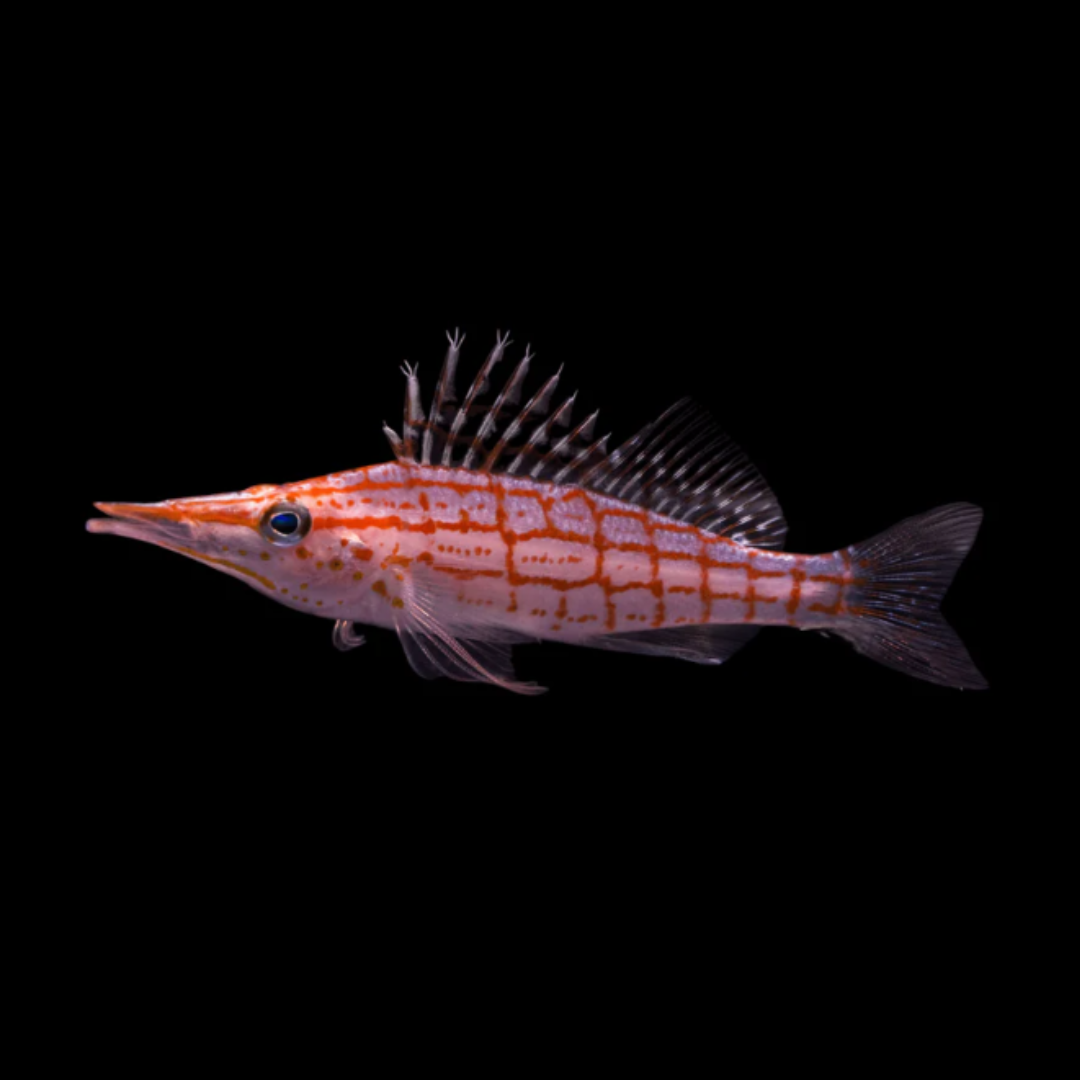
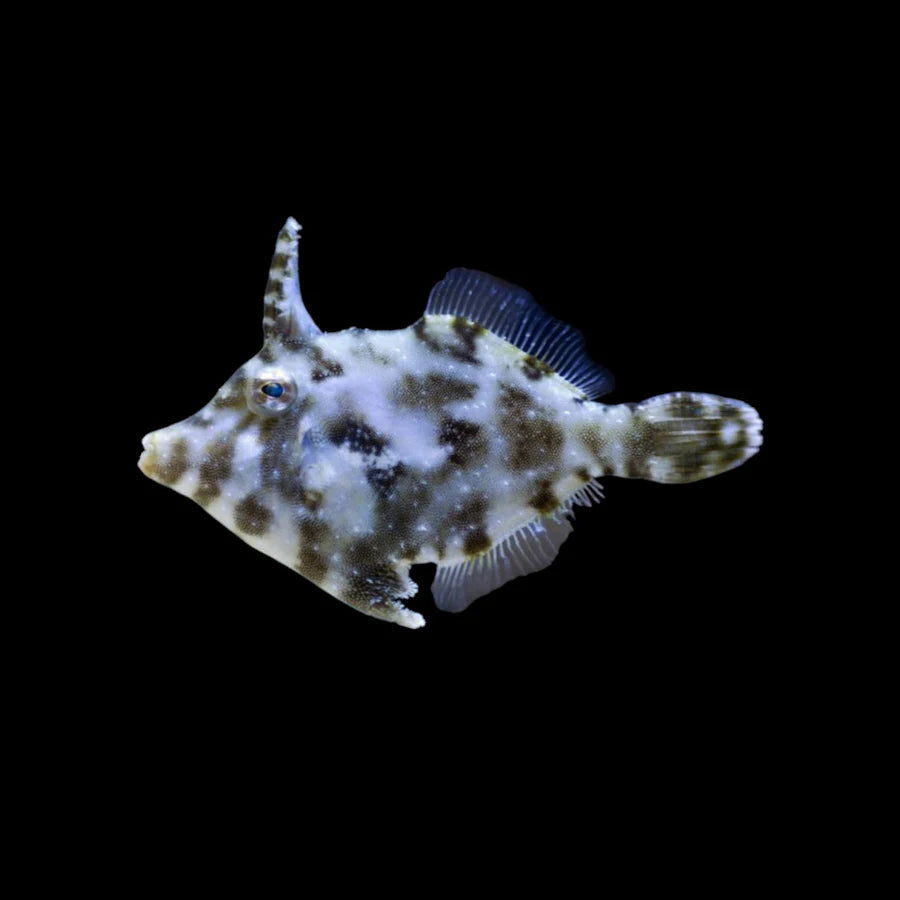
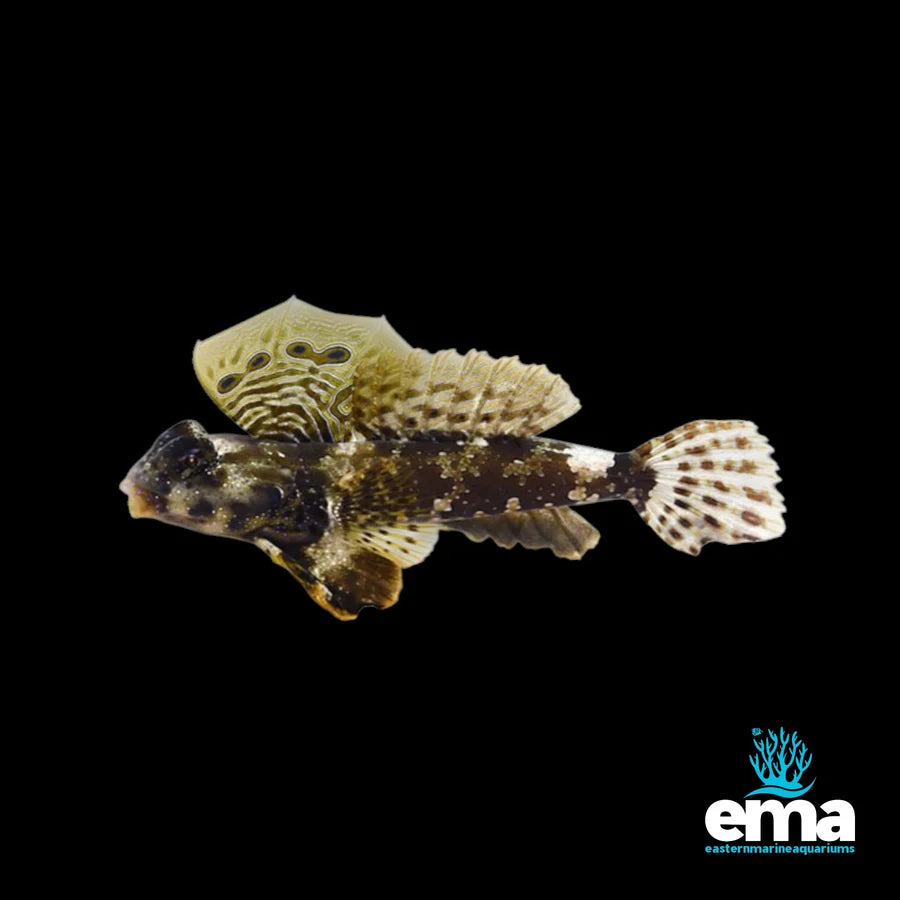
Freshwater fishkeeping is a hobby. Reef keeping is a lifestyle, and anyone who's dosed calcium at 11pm on a Tuesday gets it. Between salinity, lighting, flow and dosing, plenty can go sideways, which is why our saltwater aquarium fish range gets sorted and settled before it reaches your tank.
We partner with Eastern Marine Aquariums in Auckland for healthy, well-cared-for marine stock, and our Christchurch team checks every arrival before listing. Ask us anything before you buy. We've made most of the reef-keeping mistakes ourselves, so you don't have to.
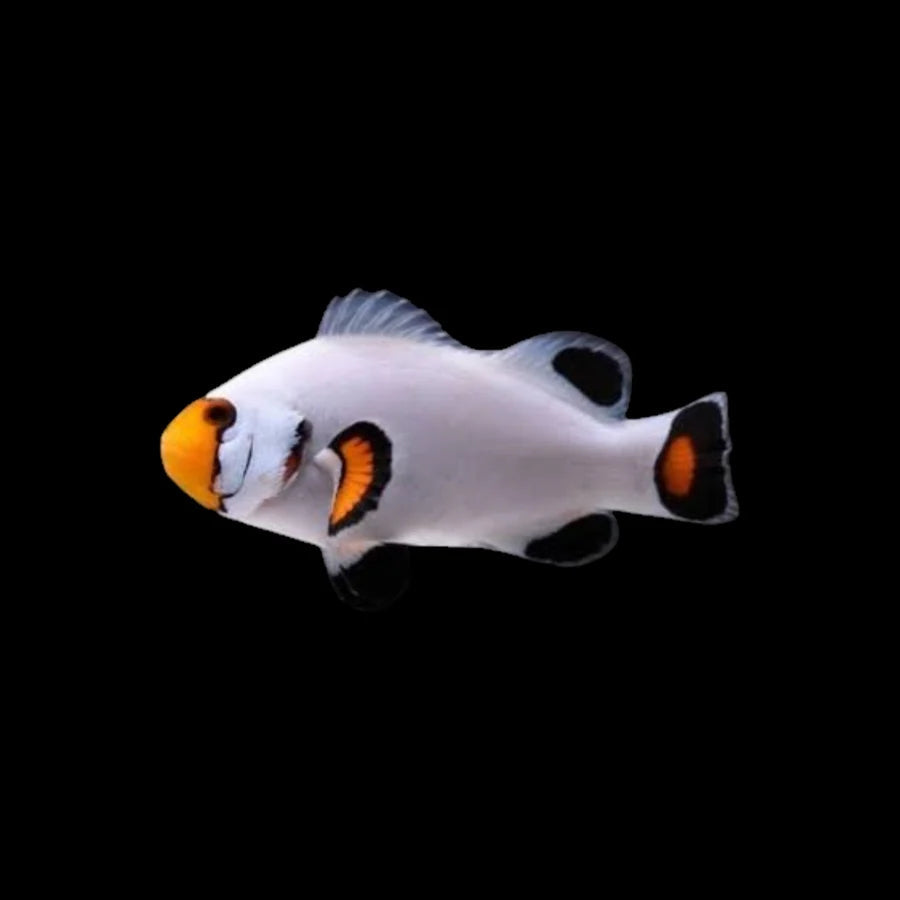
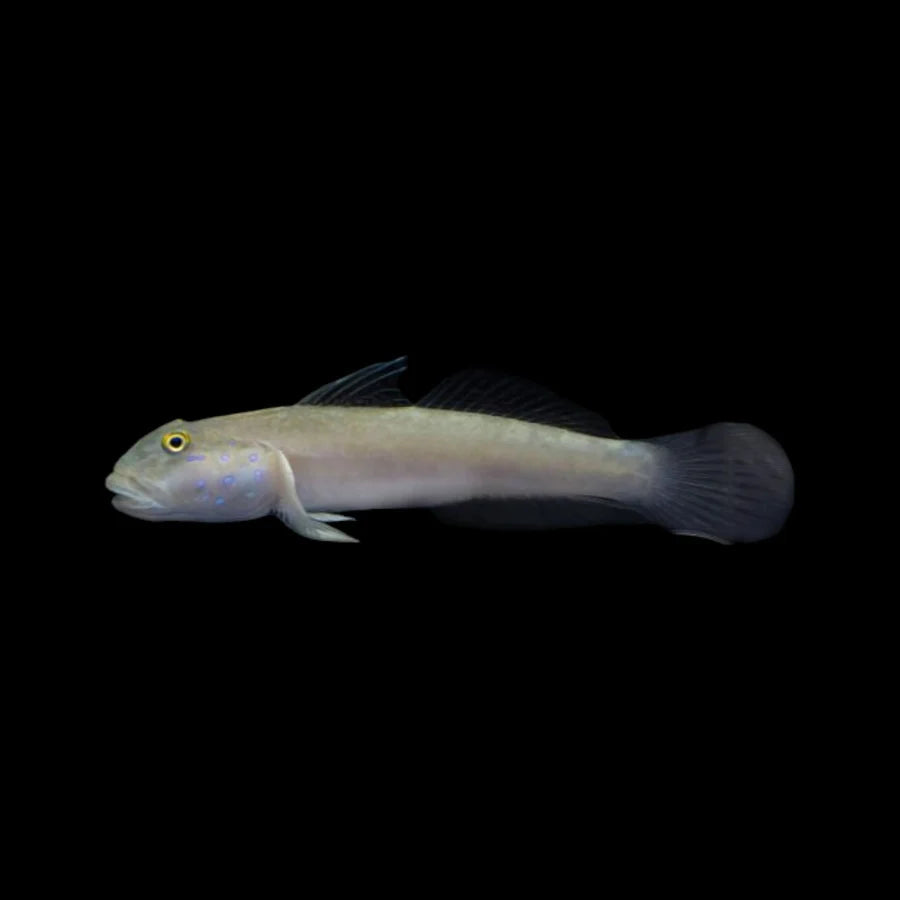
Saltwater aquarium fish move through the shop in smaller numbers rather than in mass batches, since each species requires its own conditions before it's ready for sale. Clownfish, blennies and gobies are usually the easiest to source, while mandarins, tangs, angelfish and wrasses come and go depending on what's available that month. Mandarins are gorgeous and notoriously bad at reading food labels, so make sure your tank can feed one before you fall for those colours.
If you're comparing marine fish for sale in NZ, our marine fish selection changes constantly, so it pays to check back often.
Coral for aquarium use generally falls into three groups, and where you start depends on your setup and how much stress you enjoy. Soft corals like zoanthids, mushrooms and leathers are the most forgiving, tolerating a wider swing in light and flow. Basically, the golden retrievers of the coral world.
LPS corals such as hammer, frogspawn and Acan want more stable conditions but still leave room for error. SPS corals, think Montipora and Acropora, are the least forgiving of the three and will absolutely let you know the moment something's off.
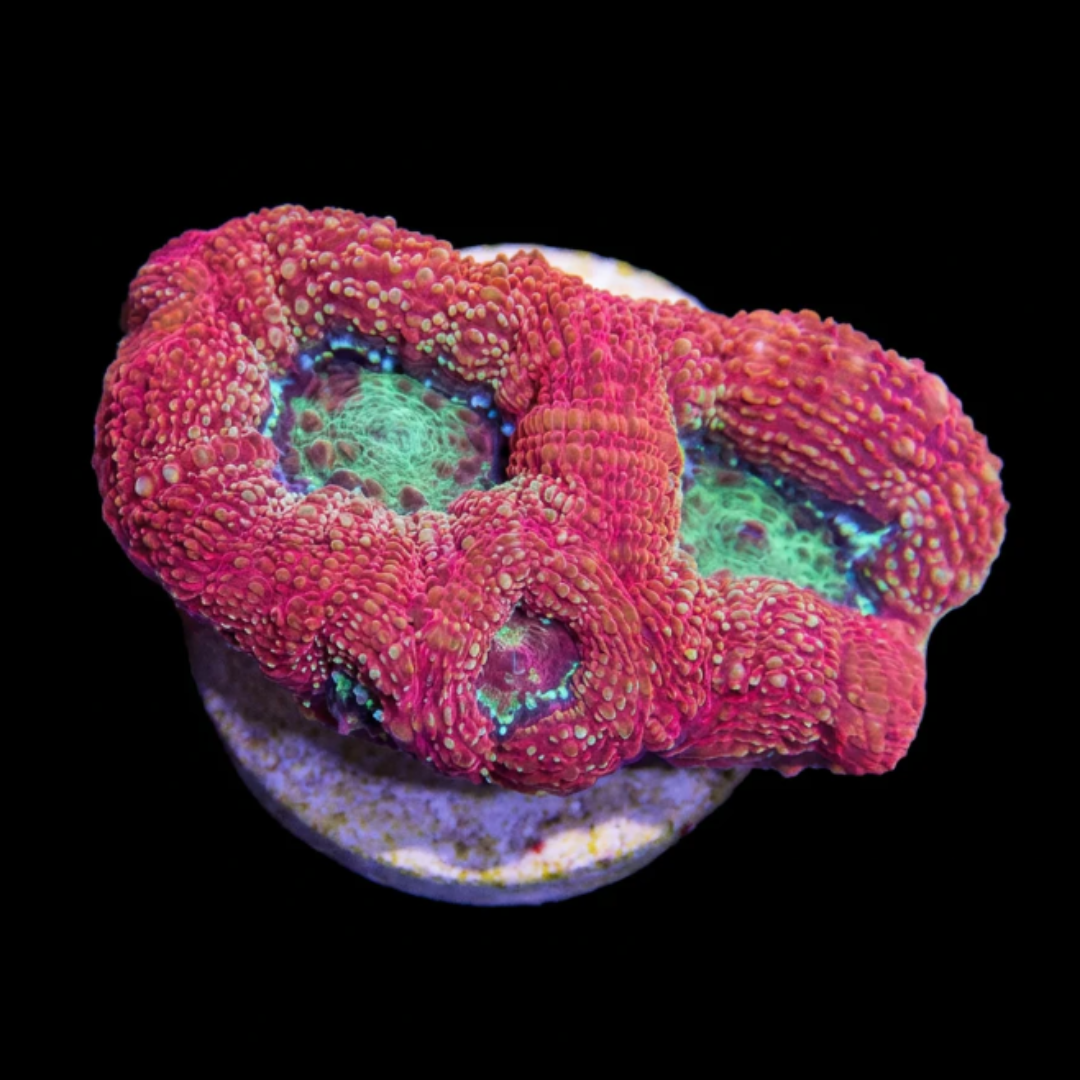
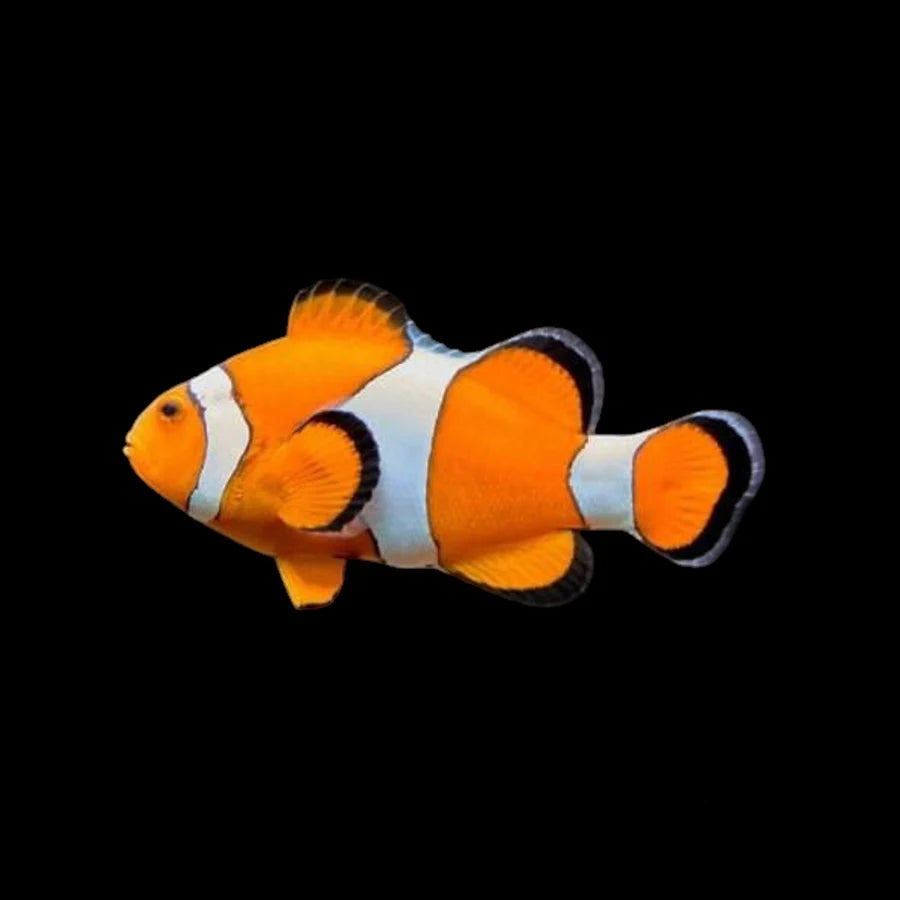
Not every fish that looks harmless is reef safe. Some angelfish and butterflyfish will pick at coral polyps given the chance, treating your prized frag like a bag of chips, and certain wrasses are hit-or-miss. Before adding any reef aquarium fish to a tank with live coral, check its reef-safe rating, not just its temperament with other fish.
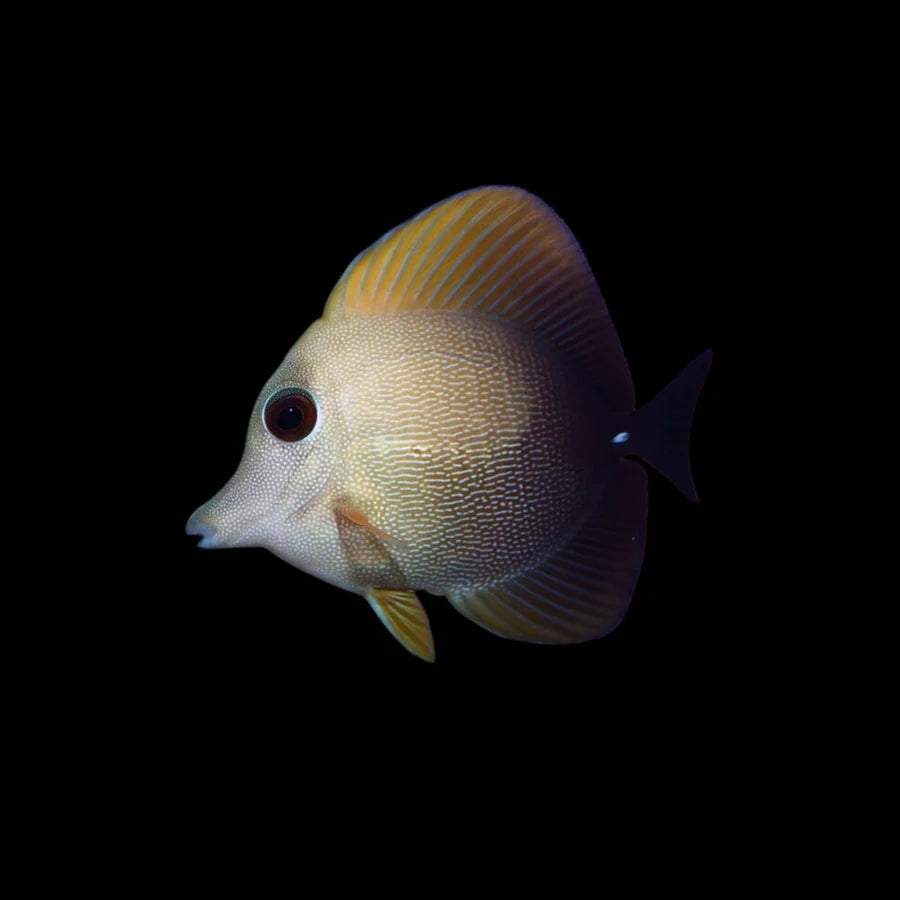
Marine tanks run on tighter margins than freshwater ones, and reef keepers don't really believe in "close enough." Salinity should sit around 1.025 to 1.026, temperature between 24 and 27°C, and pH between 8.1 and 8.4. Corals add another layer: calcium, alkalinity, and magnesium all need to stay within range, too. Marine water chemistry test kits make it far easier to catch a drift before it becomes a problem.
Lighting and flow matter just as much as chemistry. SPS corals need strong light and steady movement, while softies and LPS manage with less. Our reef aquarium supplies range covers lighting, flow and dosing gear, whatever stage your tank is at.
New arrivals deserve a stint in a separate quarantine tank first, since treating disease early beats stripping down a stocked reef later.
Marine livestock is more sensitive to sudden change than freshwater fish, so drip acclimation is worth the extra time. Float the bag to match the temperature, then drip-acclimate for 45 minutes to an hour before moving anything into the tank. Coral health products include dips and treatments worth having on hand.
Feeding varies by what you're keeping. Fish do well on a mix of quality pellets, frozen mysis and nori for grazers, while corals often need target feeding with something like reef roids or phytoplankton, especially LPS and filter feeders.
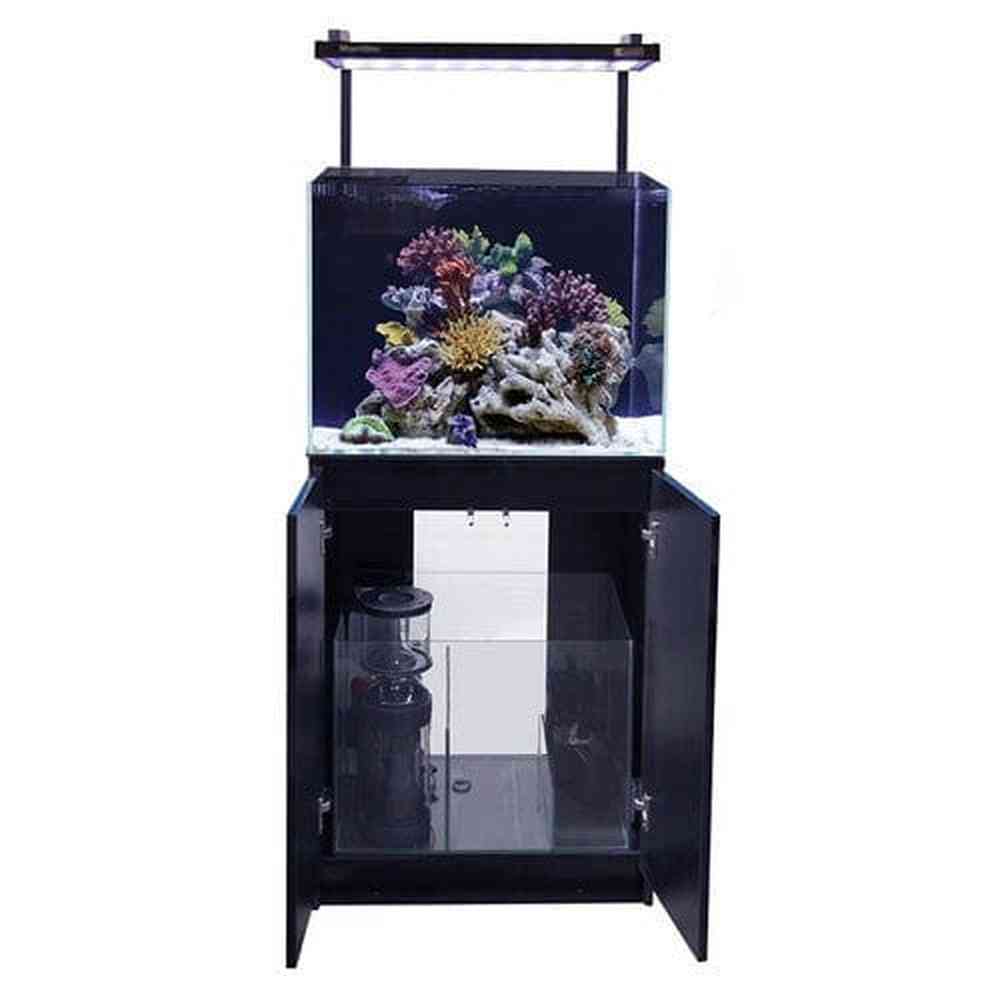
Marine stock changes often. We only bring in what our team can settle and check first, so there's no mystery box waiting when it arrives. Saltwater aquarium equipment and consumables ship anytime, but livestock rides with NZ Couriers overnight, with dispatch aimed for the front half of the week to avoid weekend transit.
Something wrong on arrival? Get us a picture inside that first two-hour window, plus a message, and we'll sort a replacement or store credit under our DOA cover. Rural customers pick up from their closest depot, and Christchurch locals can collect instead.
Whether you're picking your first coral frag or restocking a mature reef, every listing above notes what it needs and what it pairs with. Get in touch if you want a second opinion on compatibility, or come look at the current tanks in our Christchurch store. Fair warning: there's no going back.
Contact usMost clownfish, blennies, gobies, and mandarins are reef-safe. Some angelfish, butterflyfish and larger wrasses aren't, so always check a species before adding it to a coral tank.
Float the bag to match the temperature, then drip acclimate for between 45 minutes to an hour. Marine livestock reacts badly to sudden shifts in salinity or pH, so rushing this step is the most common cause of early losses.
Salinity around 1.025 to 1.026, temperature between 24 and 27°C, pH between 8.1 and 8.4, plus stable calcium, alkalinity and magnesium if you're keeping coral.
Livestock rides with NZ Couriers overnight, dispatched in the first half of the week. Rural customers typically collect from their nearest depot, and DOA cover applies if you get us a picture inside that first two-hour window.
We only bring in what our team can settle and check properly, so numbers stay smaller than a typical freshwater collection. Check back often, since availability shifts weekly.