A pond is basically an aquarium that gave up on walls and started answering to the weather instead. Get the pump, filter and the basics right, and your fish pond in NZ mostly runs itself. Get any of it wrong, and you're staring at green soup by February.


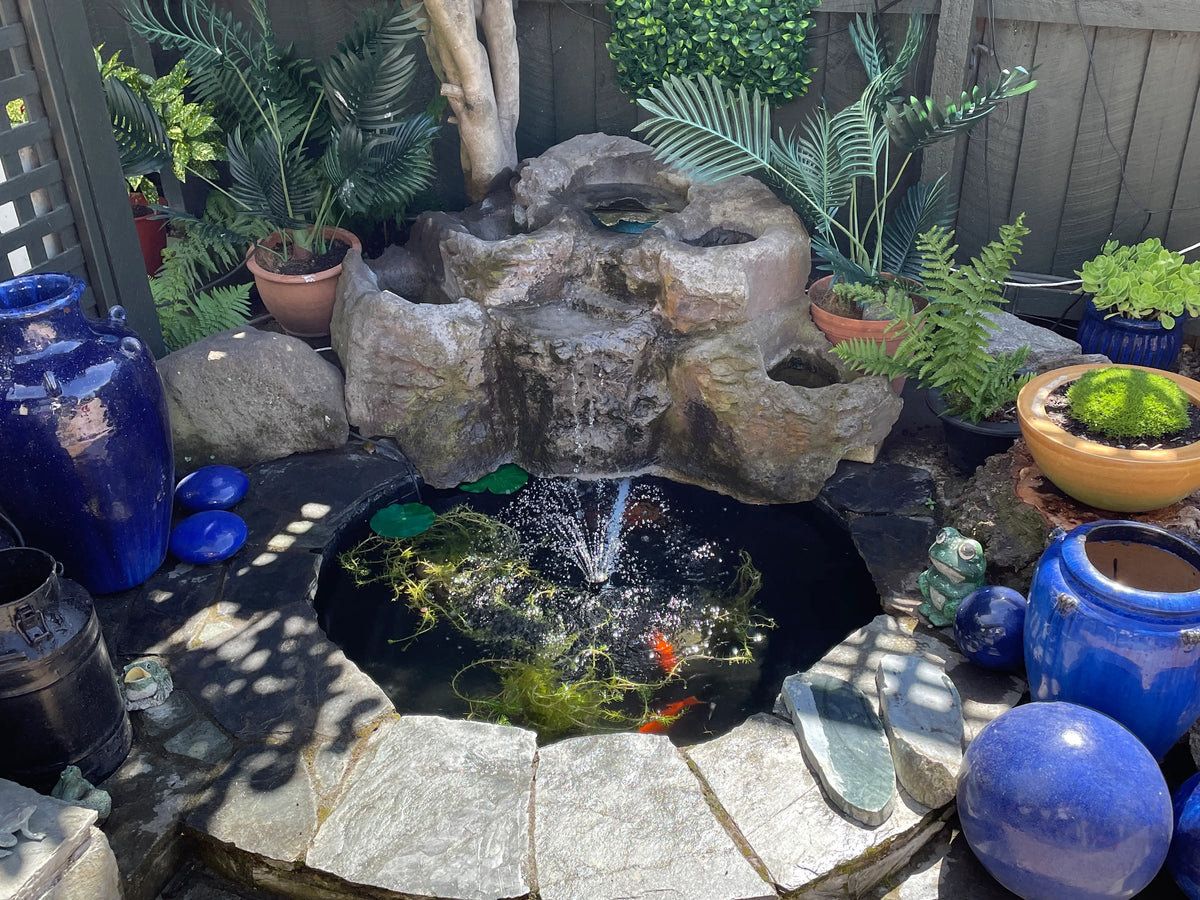
Start with your pond's volume in litres: length times width times average depth, roughly, since irregular shapes never measure cleanly. Everything else, including pump size, filter size, fish numbers, gets sized off that number, so it's worth getting close rather than guessing. Leave room around the edge for access too; you'll thank yourself the first time a filter needs stripping down.
Our pond substrate options range covers gravels sized for ponds rather than aquariums, if you want a natural look on the base.
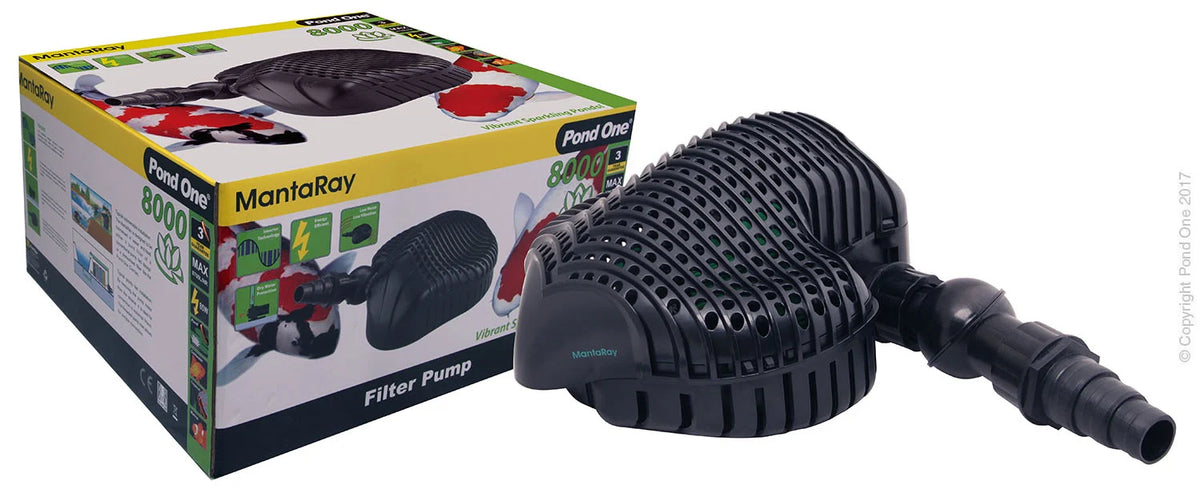
Fish pond pumps and filters in NZ are sold on flow rate, but that number drops the moment you add head height, the vertical lift to your filter or waterfall. Check the pump's performance curve for your actual head height rather than the headline litres-per-hour figure. As a rough starting point, most ponds want the full volume turned over every couple of hours, though heavily stocked koi ponds usually want faster.
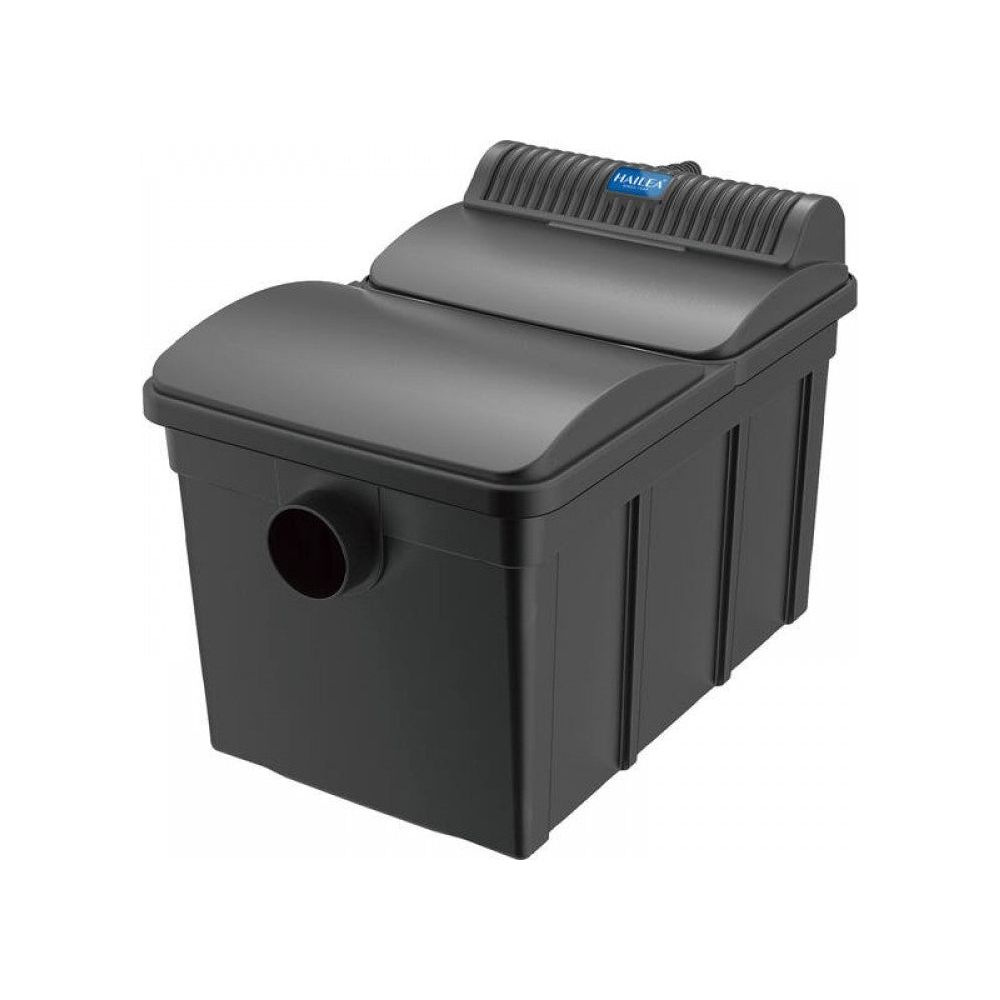
Dedicated pond filtration does the real work: mechanical media catches debris, biological media grows bacteria that break down fish waste, and a UV clarifier clumps free-floating algae so the mechanical stage can capture them. Our pond circulation pumps range, including trusted brands like Pond One, covers everything from small ornamental ponds to serious koi setups.
Test your water occasionally rather than only when something looks wrong: ammonia, nitrite and pH swings usually show up before fish do. Pond equipment and treatments cover water conditioners and beneficial bacteria, handy for settling in a new pond or steadying an established one after a big water change.
Feeding follows the seasons: less as temperatures drop, next to nothing once water dips below about 10°C, and back up gradually in spring. Food for pond fish covers those different feeding needs across the year. Autumn is also netting season, since a pond full of decomposing leaves is a water quality problem waiting to happen.
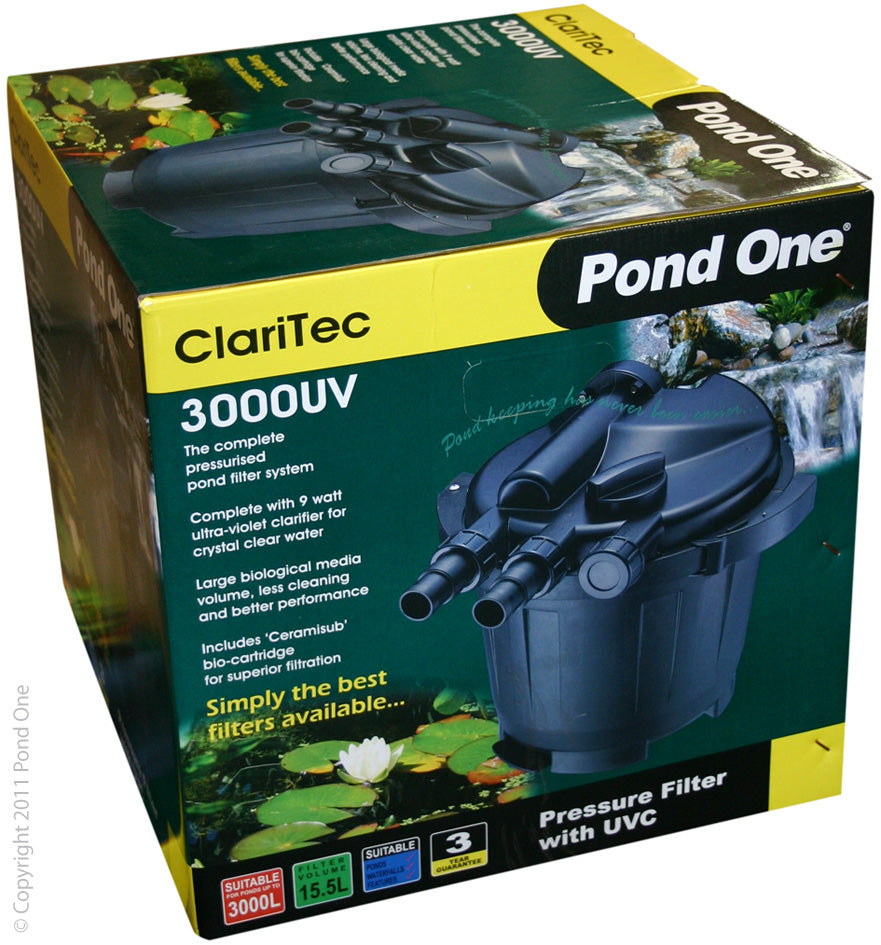
Green water is usually sunlight plus excess nutrients. More UV exposure or filtration, less feeding, and time tend to sort it. Cloudy water in a new pond is often just the filter still finding its feet. Fish gathering and gasping at the surface is an oxygen problem, common on hot, still summer nights, and a good cue to add extra circulation or aeration.
Whether you're starting from scratch or replacing a pump that's finally given up, Simply Fish can help you size the gear properly instead of guessing. Christchurch locals can call in, and we ship pond gear nationwide, too.
Contact usStart from your pond's volume in litres, then check the pump's flow rate at your actual head height rather than its maximum rating. Most ponds want the full volume turned over every couple of hours as a rough guide.
Green water is usually sunlight and excess nutrients working together. A UV clarifier, adequate filtration and cutting back feeding usually clear it within a couple of weeks.
Rinse mechanical media in pond water, not tap water, every few weeks, and leave biological media alone as much as possible, since that's where your beneficial bacteria live.
Cut back as temperatures drop, and stop once the water sits below about 10°C. Fish slow right down and can't digest food properly in cold water.
Generally, yes, since both are cold-water fish with similar needs, though koi grow much larger and will eventually want more space and stronger filtration.